Home
CASES
Vision of Ukraine 2035: Imagining the future is also a form of responsibility
Vision of Ukraine 2035: Imagining the future is also a form of responsibility
“The future belongs to those who can imagine it.” — Eleanor Roosevelt
About the Project and the Role of Superheroes.Marketing
At a certain point, a country stops living only in the present and begins to ask a more complex question — where are we heading next? What do we want Ukraine to look like in 10–15 years? What kind of country should it become — for people, for children, for the world? Vision of Ukraine 2035 is not an attempt to predict the future, but to consciously imagine it — through analysis, dialogue, and a shared framework of thinking.
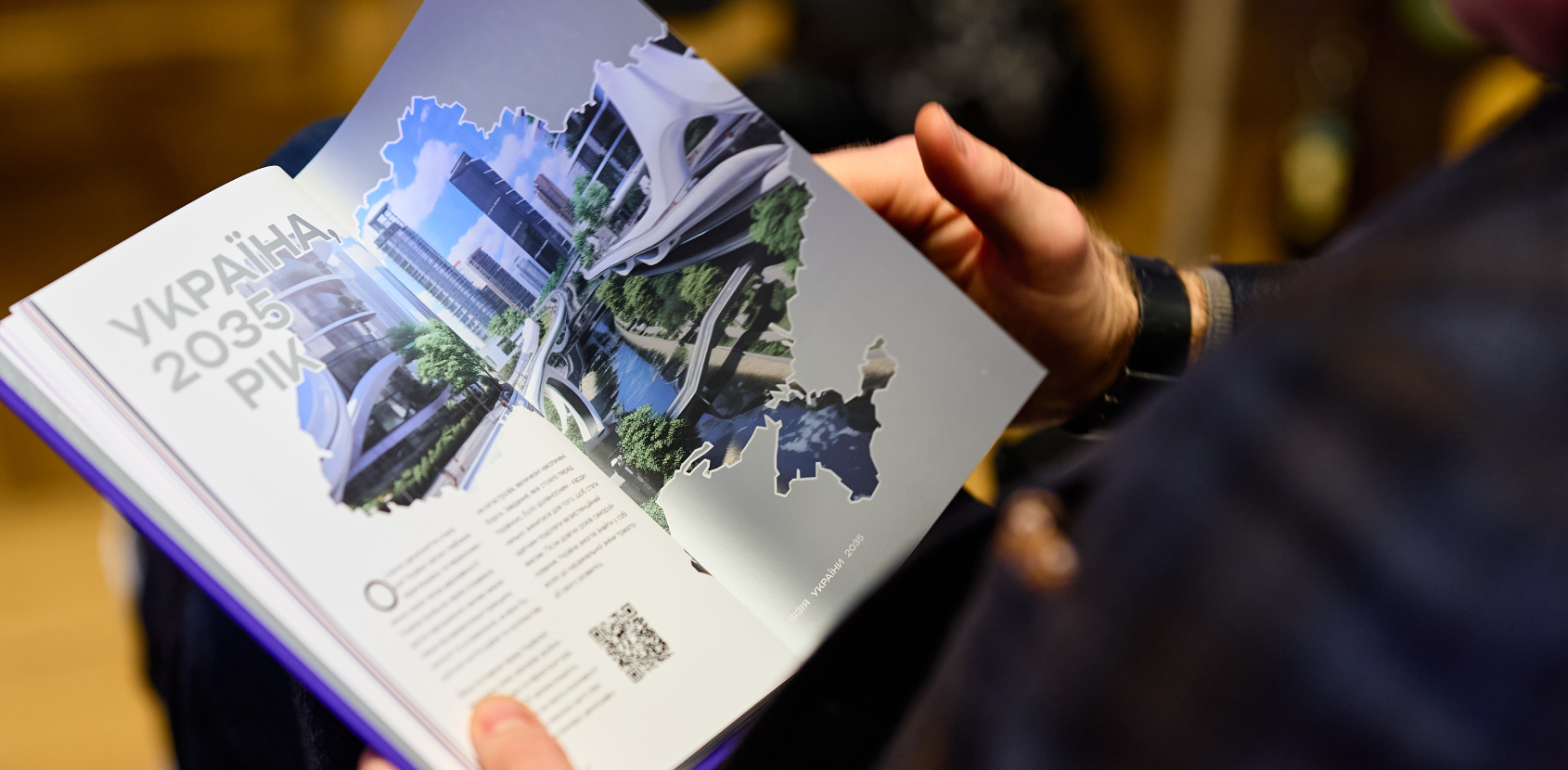
The Ukrainian Institute for the Future initiated the project and authored the content of the book, shaping its intellectual foundation through texts, research, expert insights, and development scenarios. Our work began where a key question emerged: how can this vision be not only read, but truly felt? We became visual partners of the project, responsible for transforming complex analytical material into a coherent, accessible, and contemporary form. This was not only a design task, but a work with tone and voice: how a country speaks about its future, what visual language it uses to address the world, and whether this conversation sounds open, confident, and genuinely human.
Identity: When Form Carries Meaning
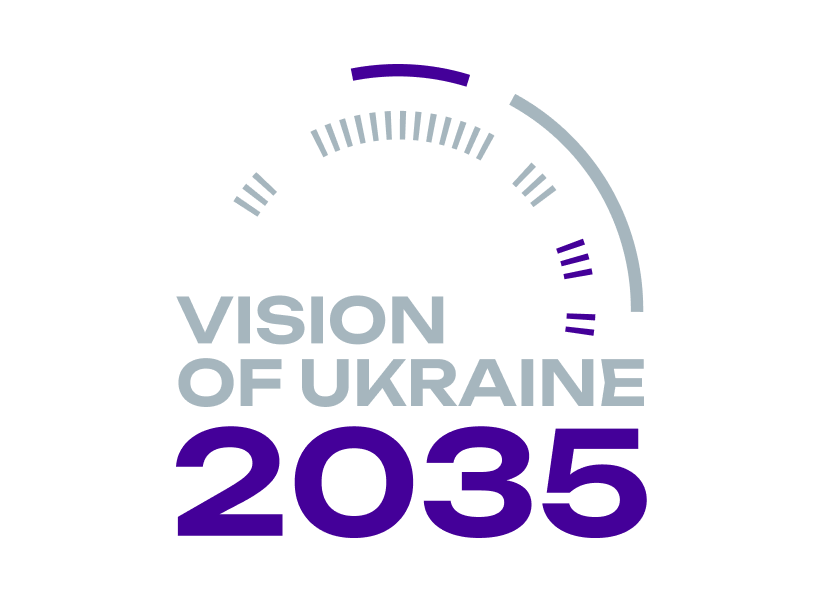
Before starting the design process, we conducted an in-depth analysis of visionary and strategic publications — both Ukrainian and international. We explored how countries, institutions, and authors speak about the future through form: color, typography, materiality, and rhythm.This research became the foundation of the Vision of Ukraine 2035 visual identity.
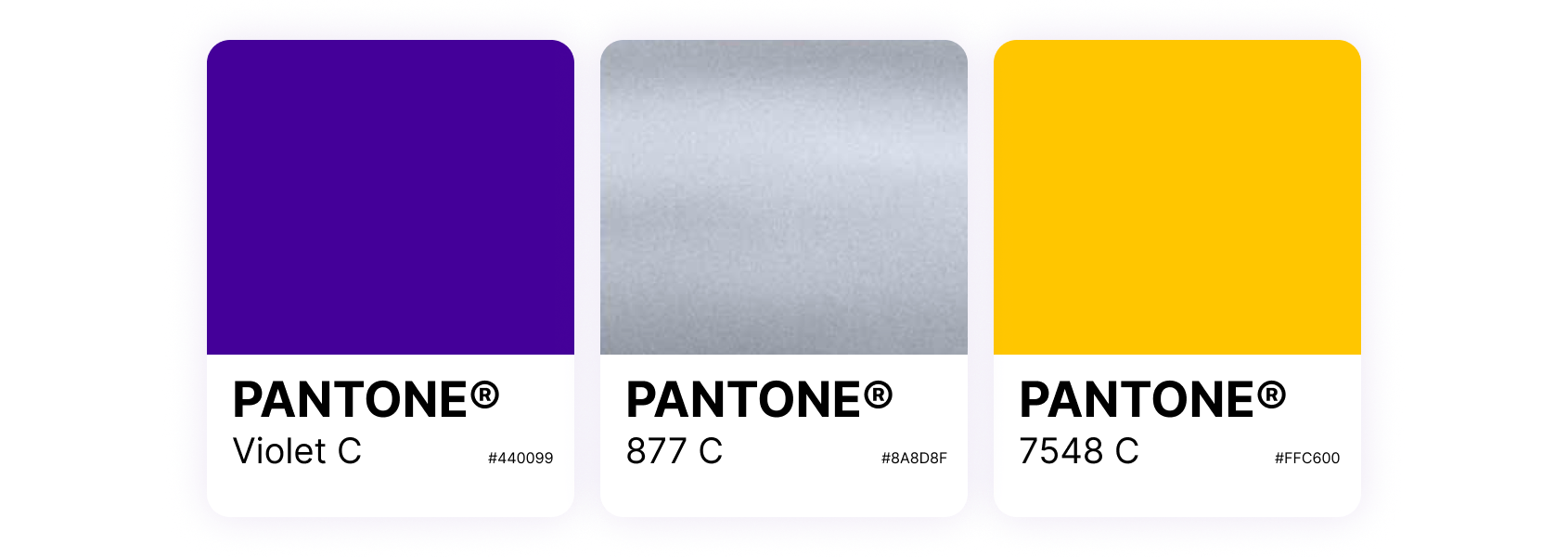
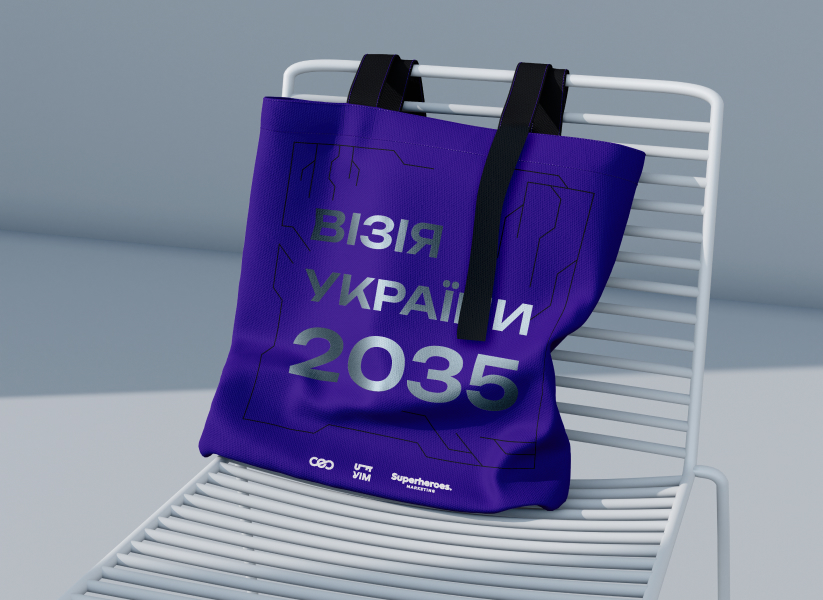
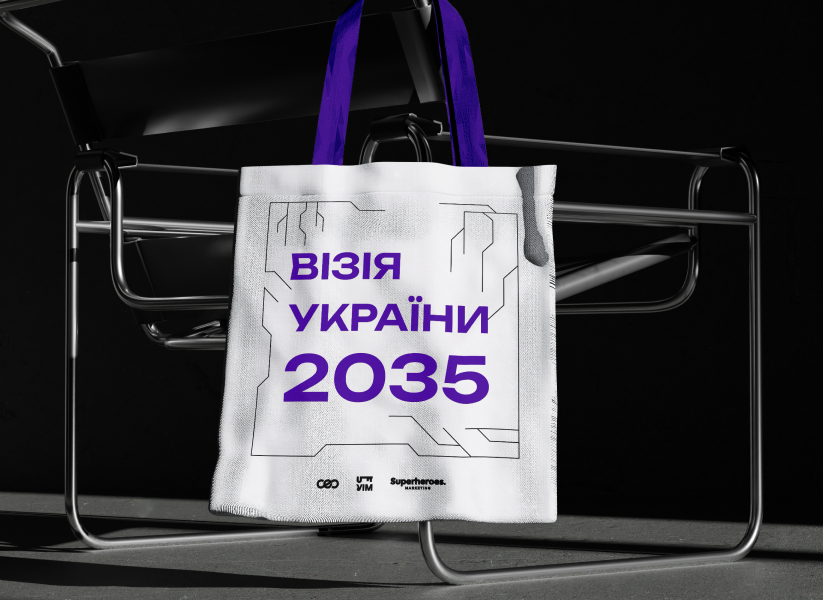
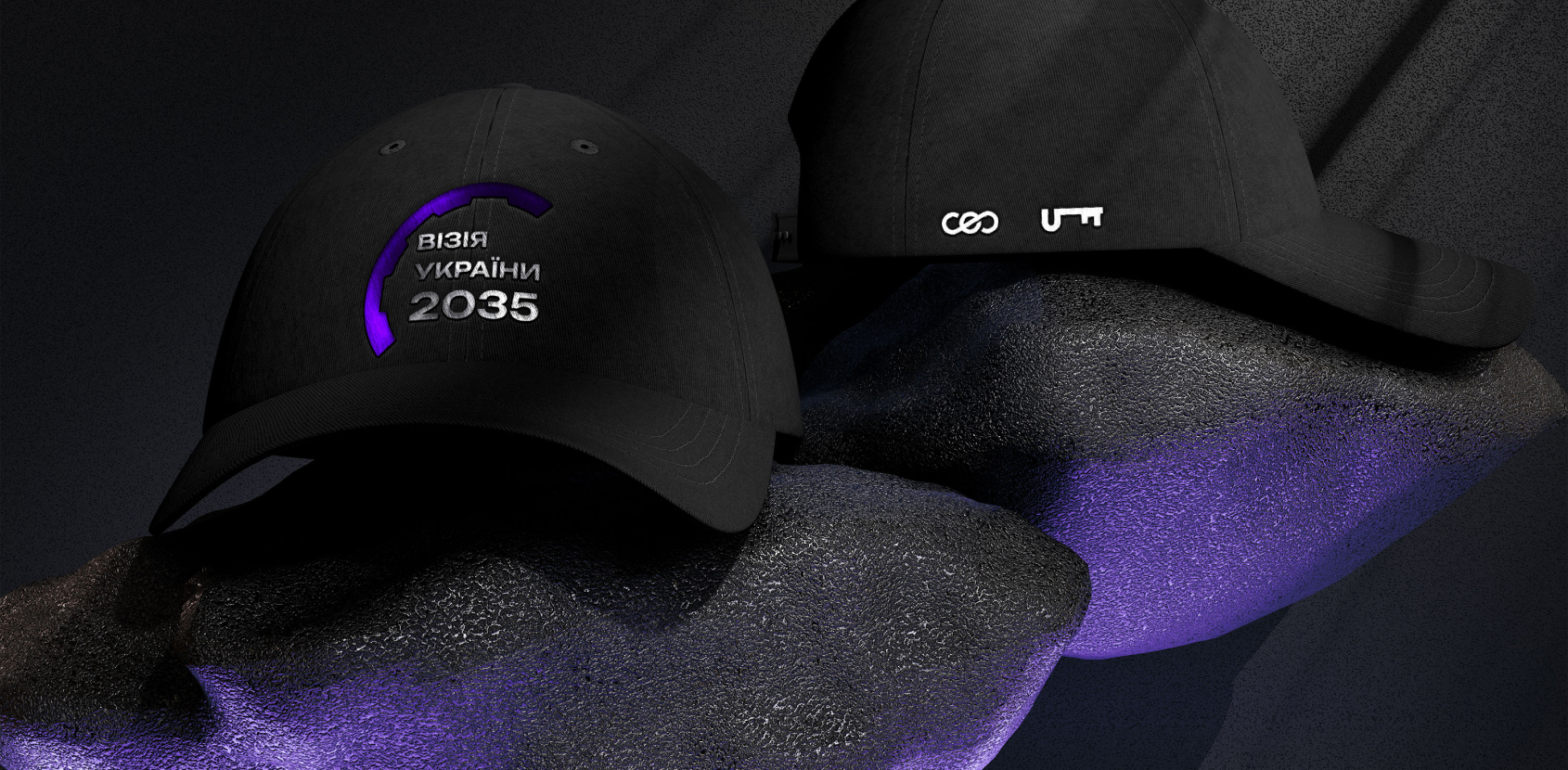
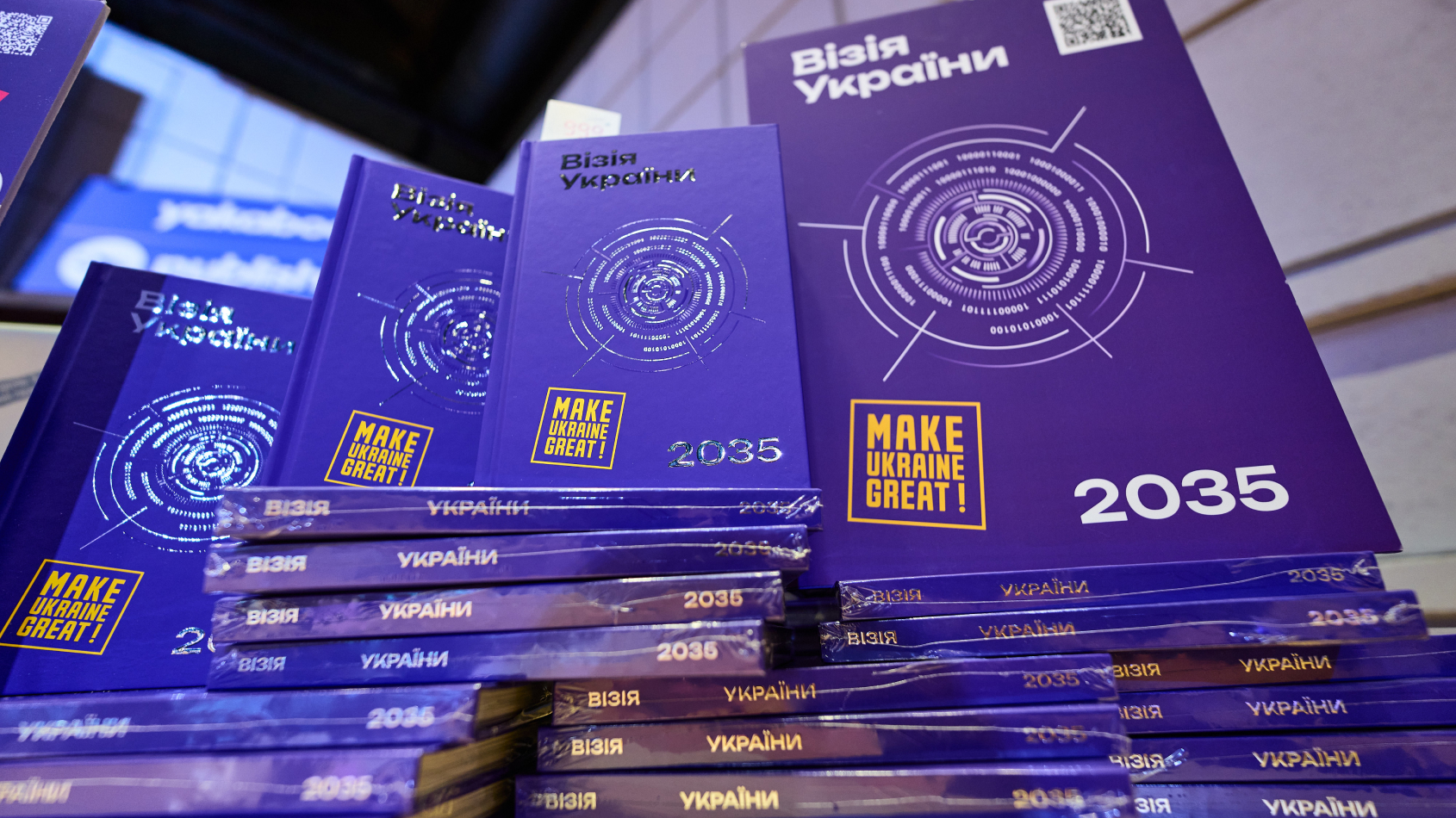
Color Purple was chosen not as a decorative choice, but as a color of depth of thought, transformation, and transition — between the present moment and what is still taking shape. Silver represents technology, precision, and modernity without aggressive futurism. It adds a sense of forward movement while maintaining restraint and confidence.Together, these colors create an image of a calm, focused future — one that does not promise easy solutions, but offers a clear direction.
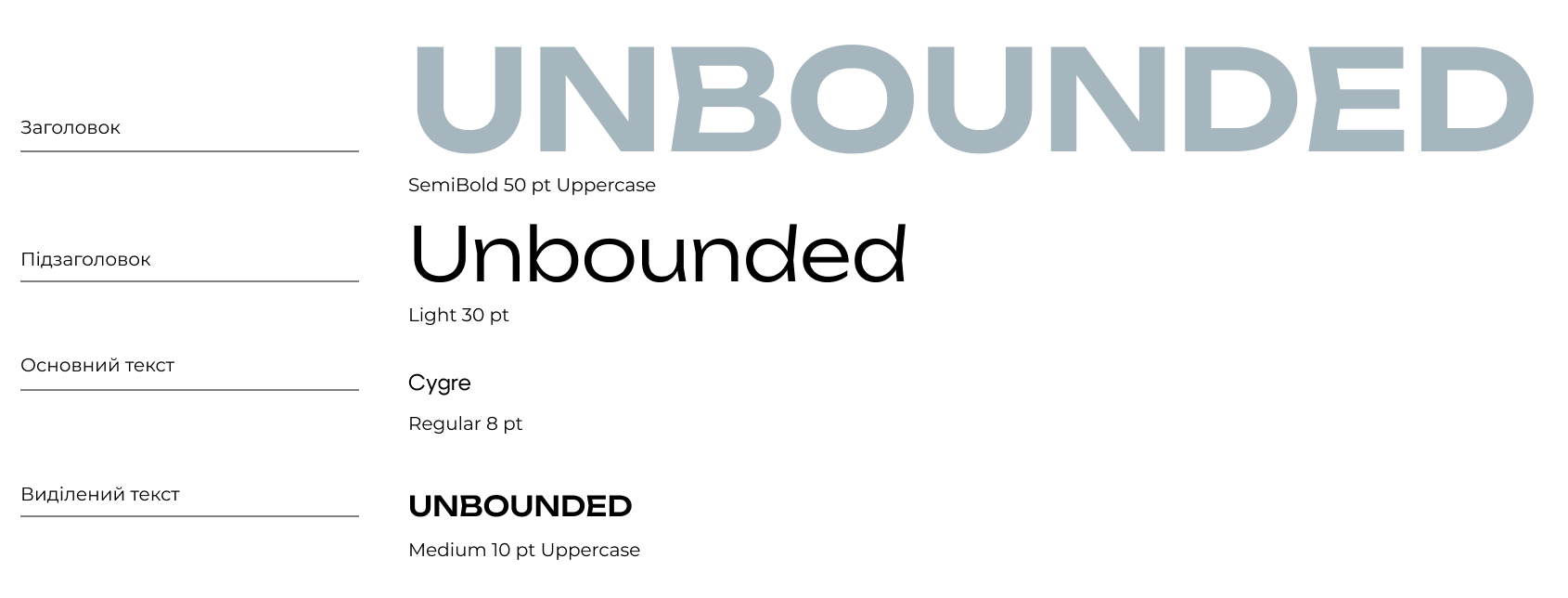
Typography The typeface is part of the conversation about time. It is contemporary, clean, and restrained — designed not to distract from meaning and not to age visually.
Cover as Meaning
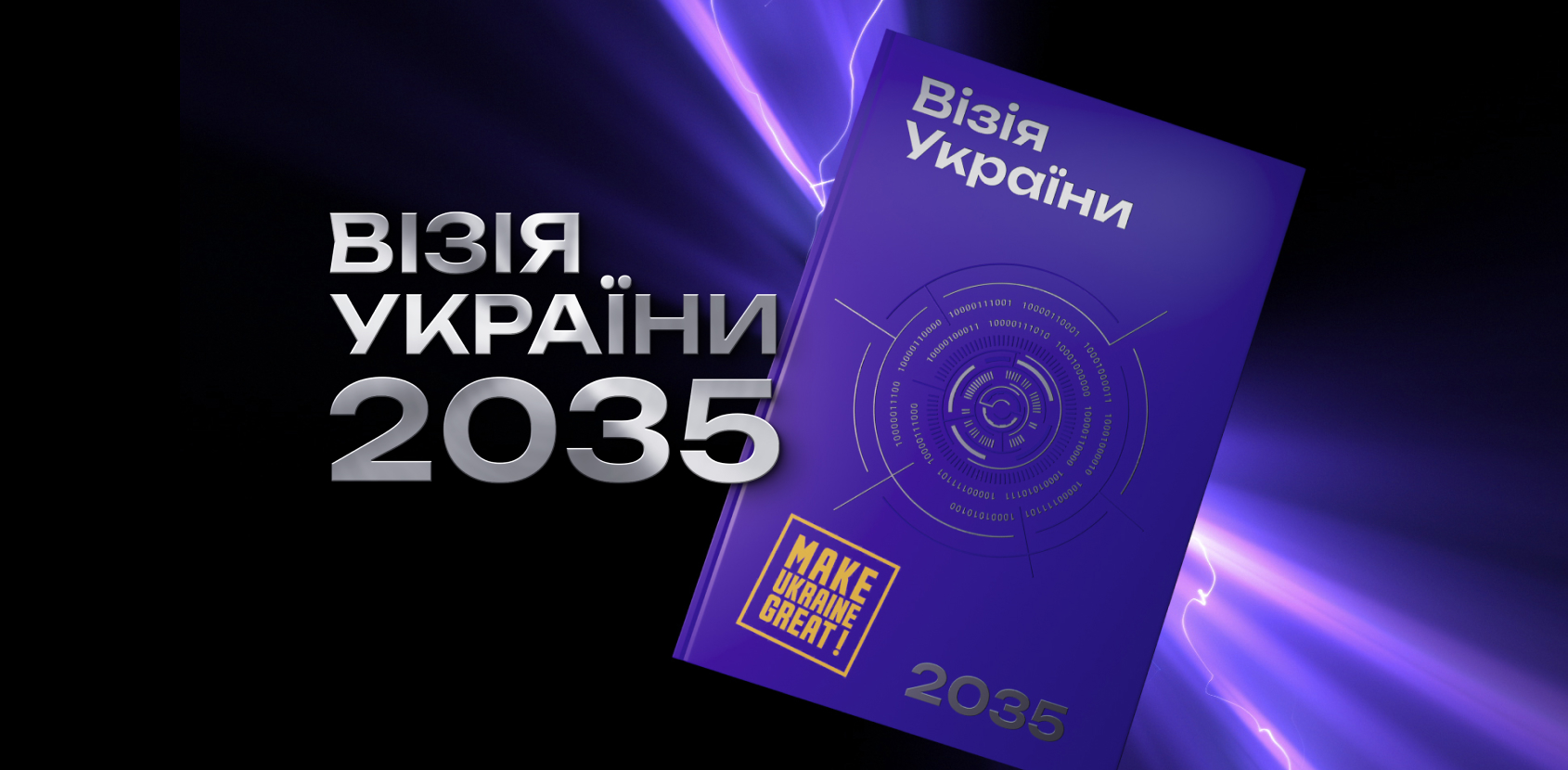
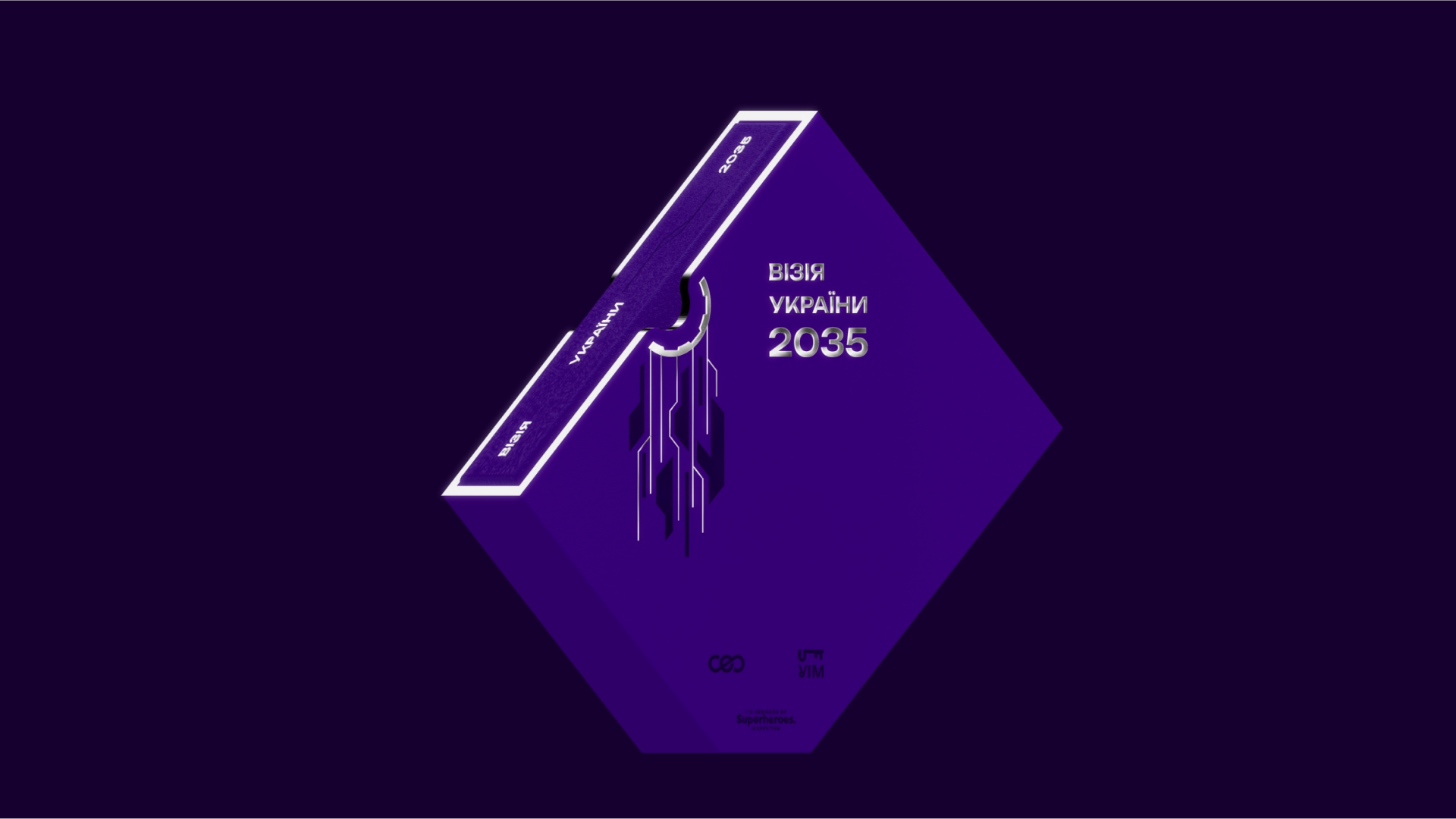
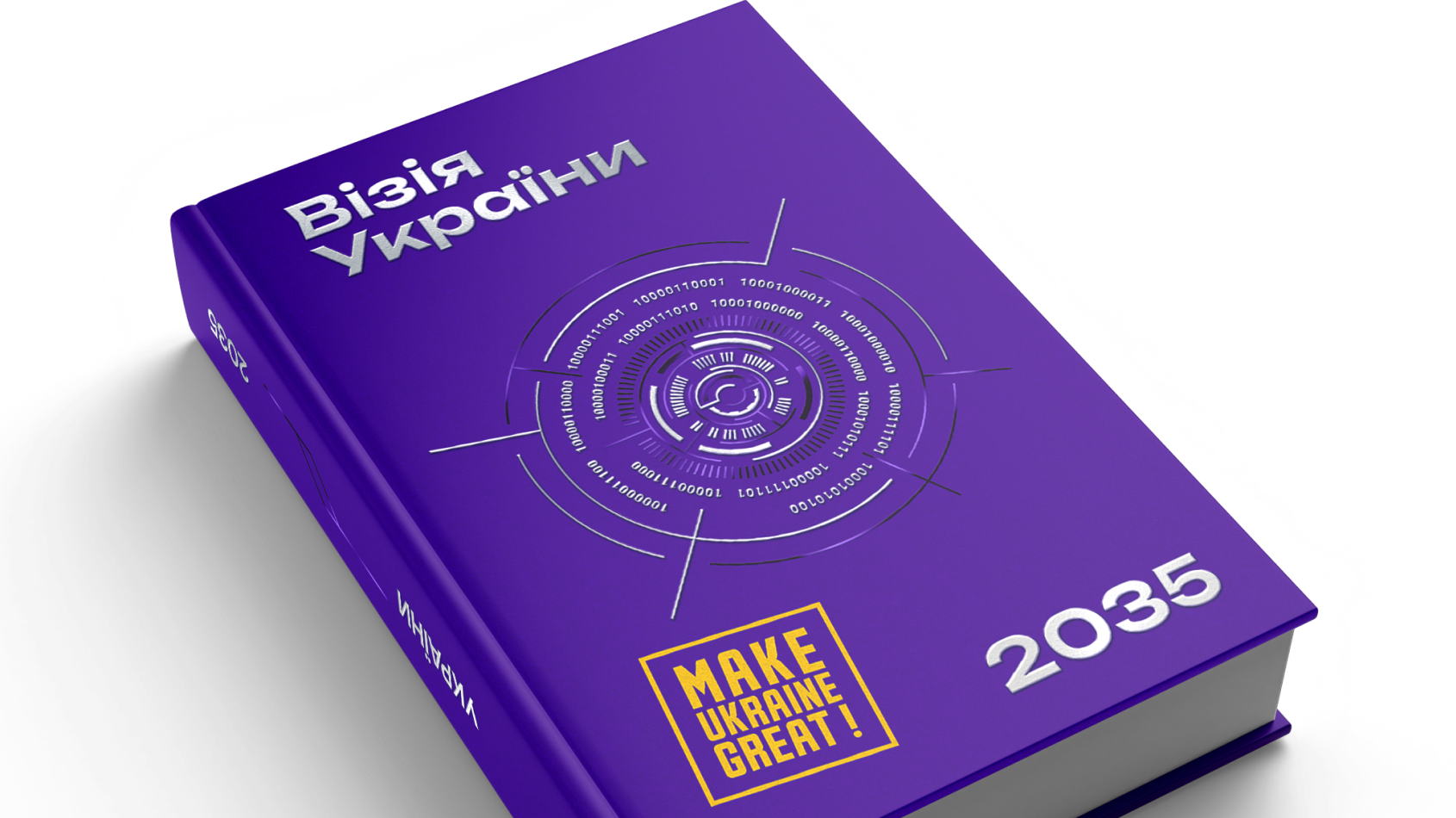
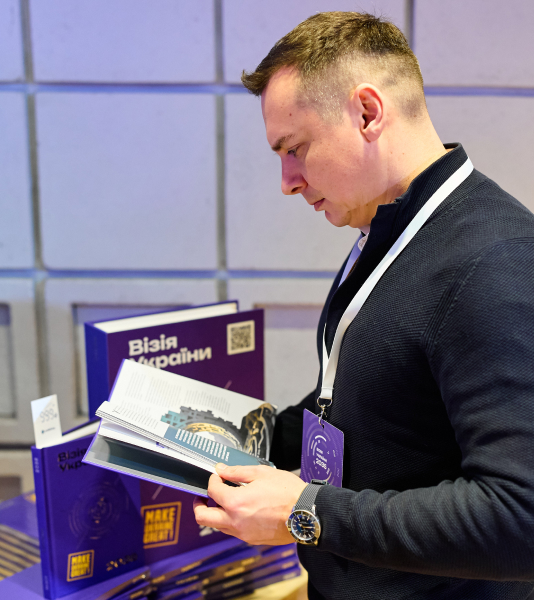
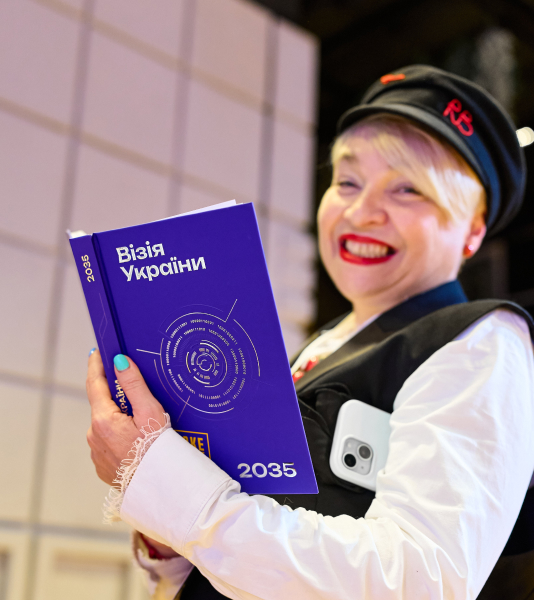
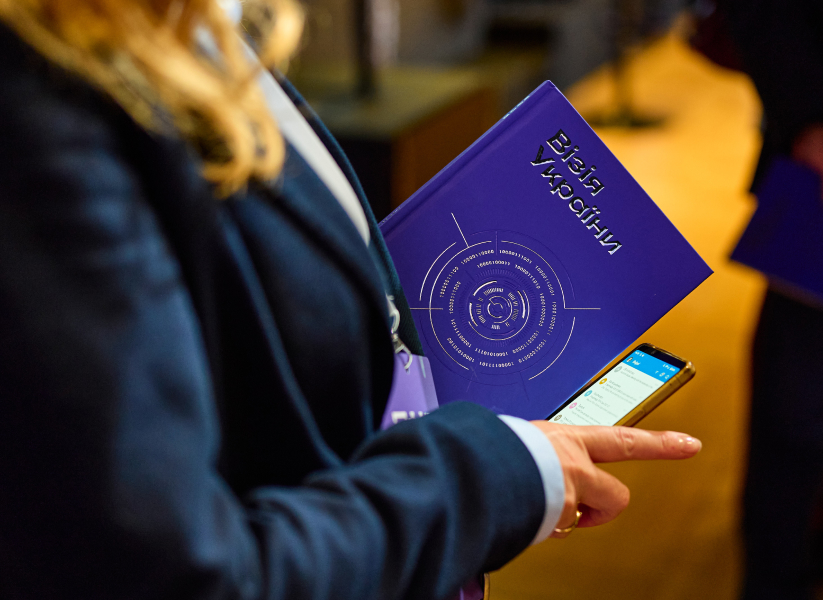
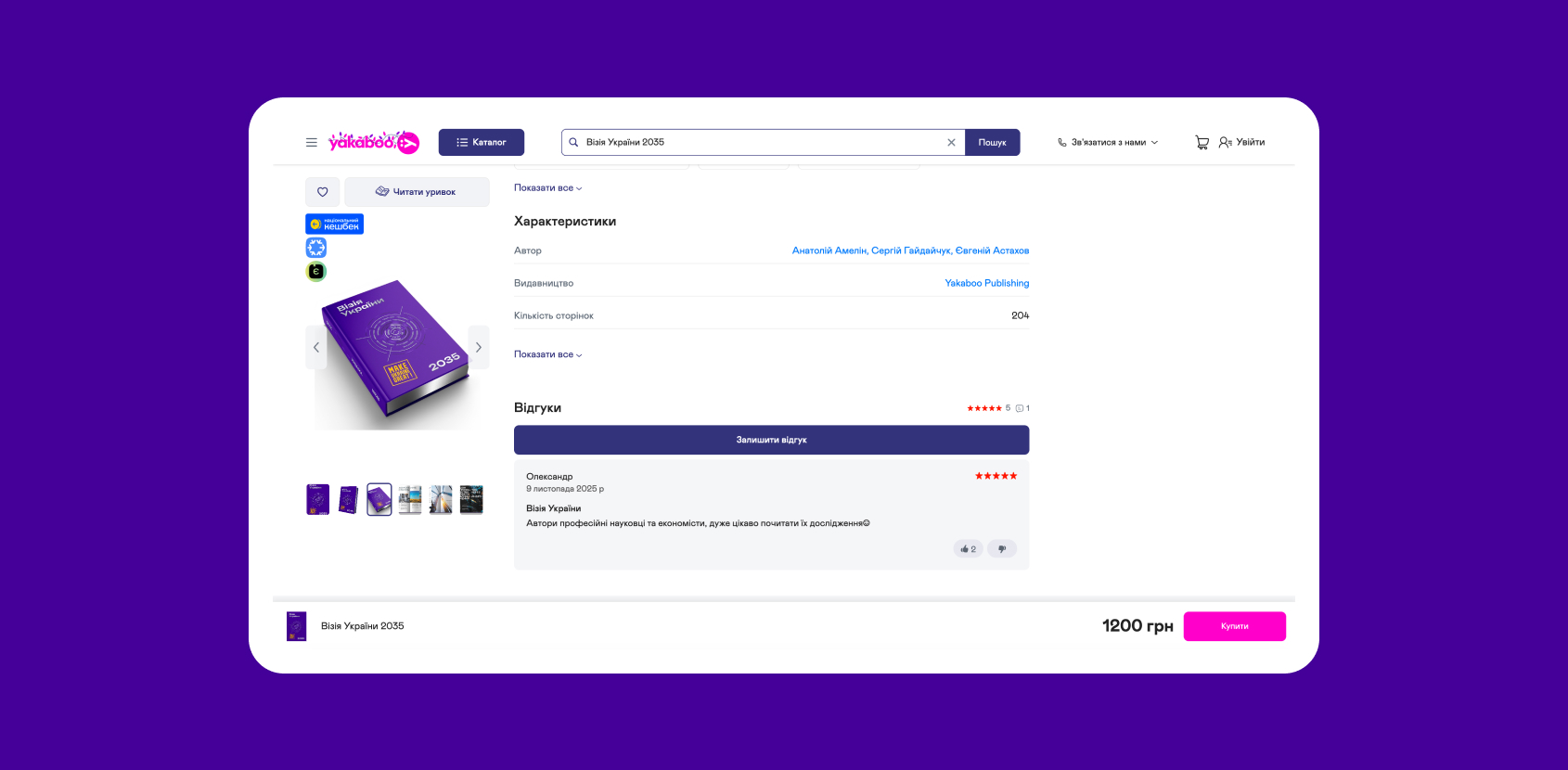
The book cover is not a literal illustration. It is a compressed expression of the project’s core idea, encoded in form. At its center lies the image of a technological eye — a metaphor for a conscious, attentive gaze into the future. A gaze that does not fantasize, but analyzes, thinks systemically, and looks beyond the horizon of the present. The visual structure of the cover also encodes the phrase “The Future of Ukraine” in binary code. It is a way of speaking about the future in the language of technology — as a process that is designed, reflected upon, and shaped already today.The cover functions as an entry point: it does not offer ready-made answers, but invites reflection — what kind of Ukraine do we want to see in 2035?
Beyond the Book
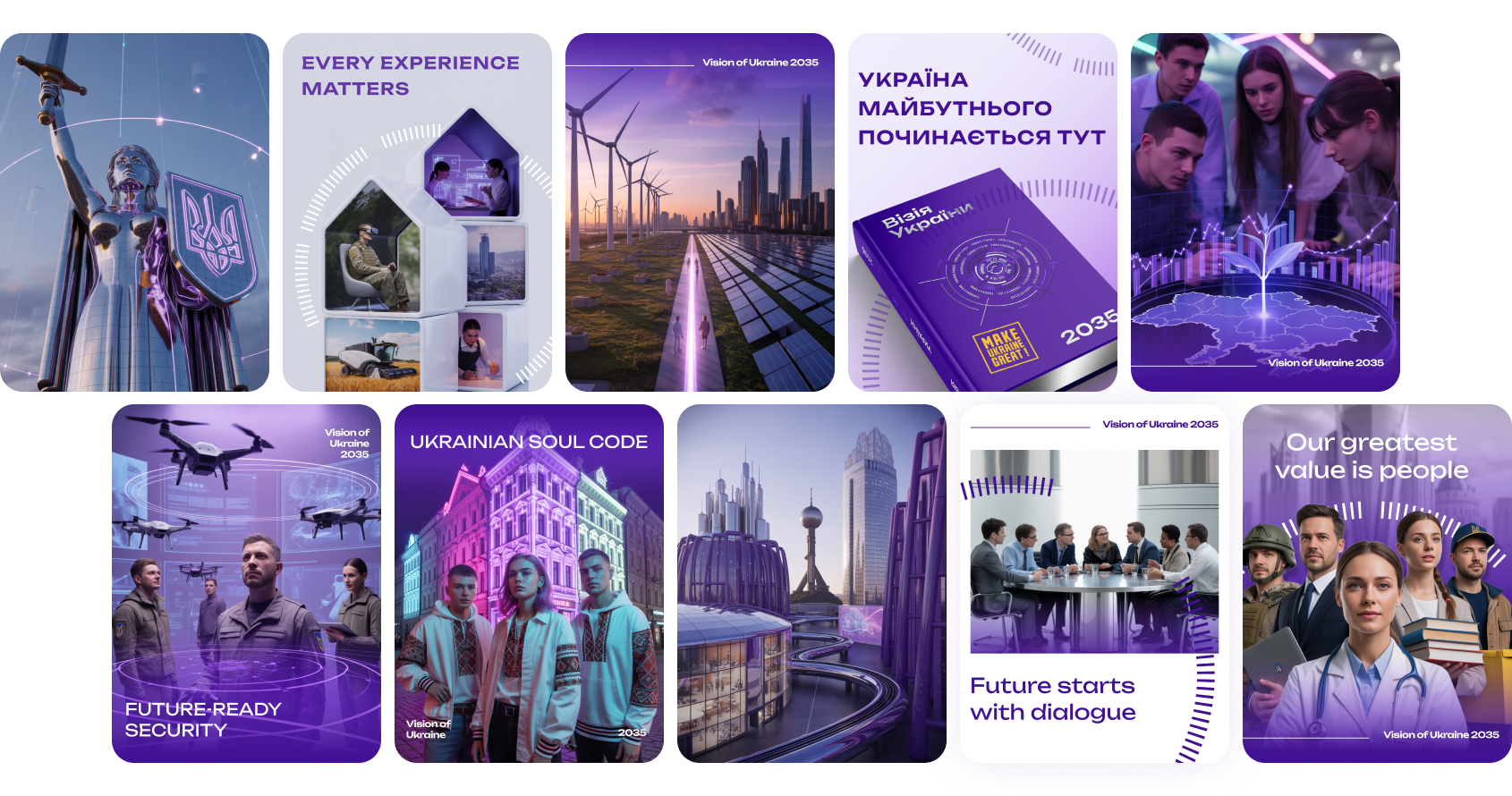
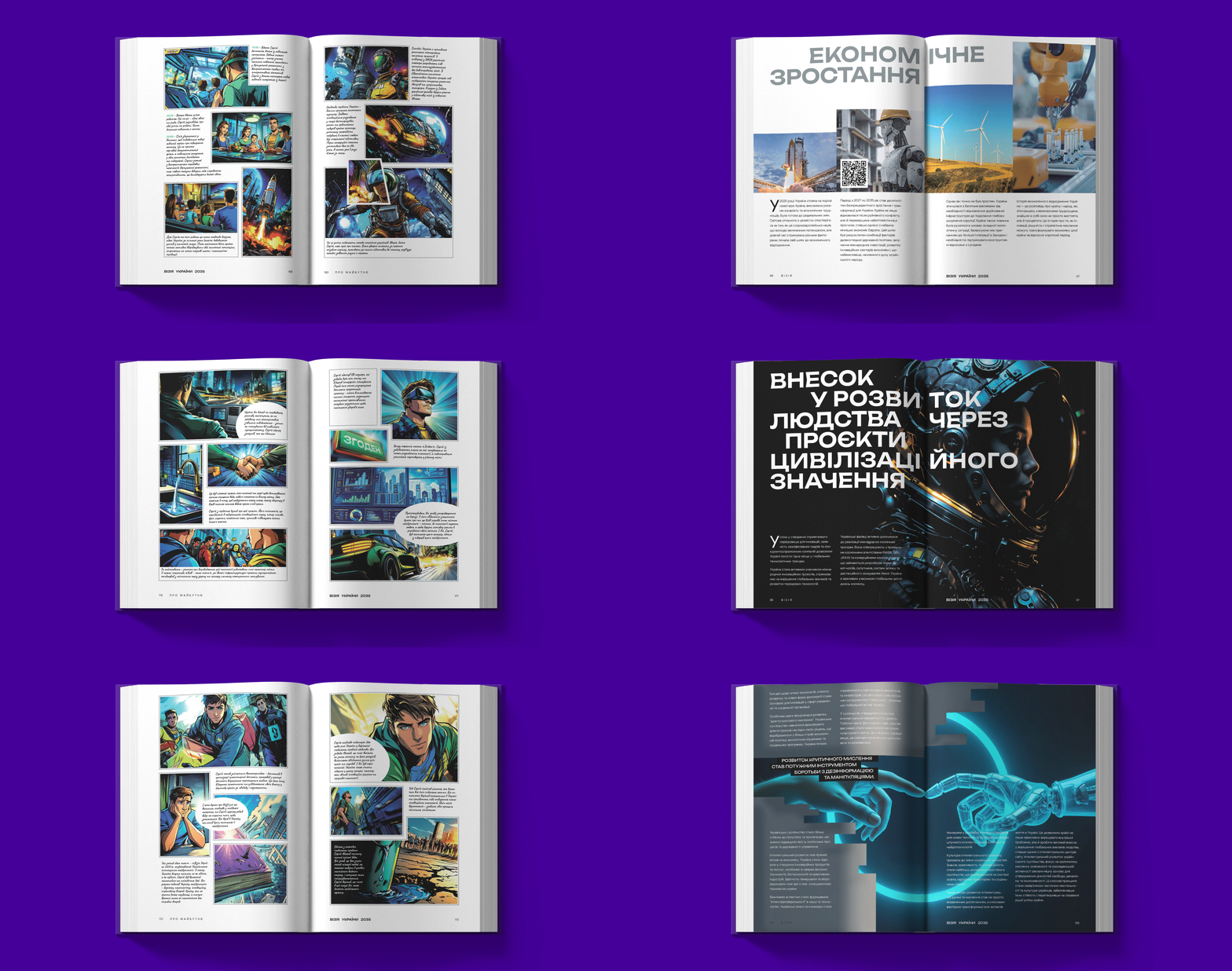
From the very beginning, we understood that a vision cannot exist only on paper. That is why a full visual ecosystem was built around the book: – book layout and design in two languages – social media creatives – presentation materials – 3D visualization of the book – animated comic – an online portal that makes the vision accessible and alive for everyone — Vision of Ukraine 2035.
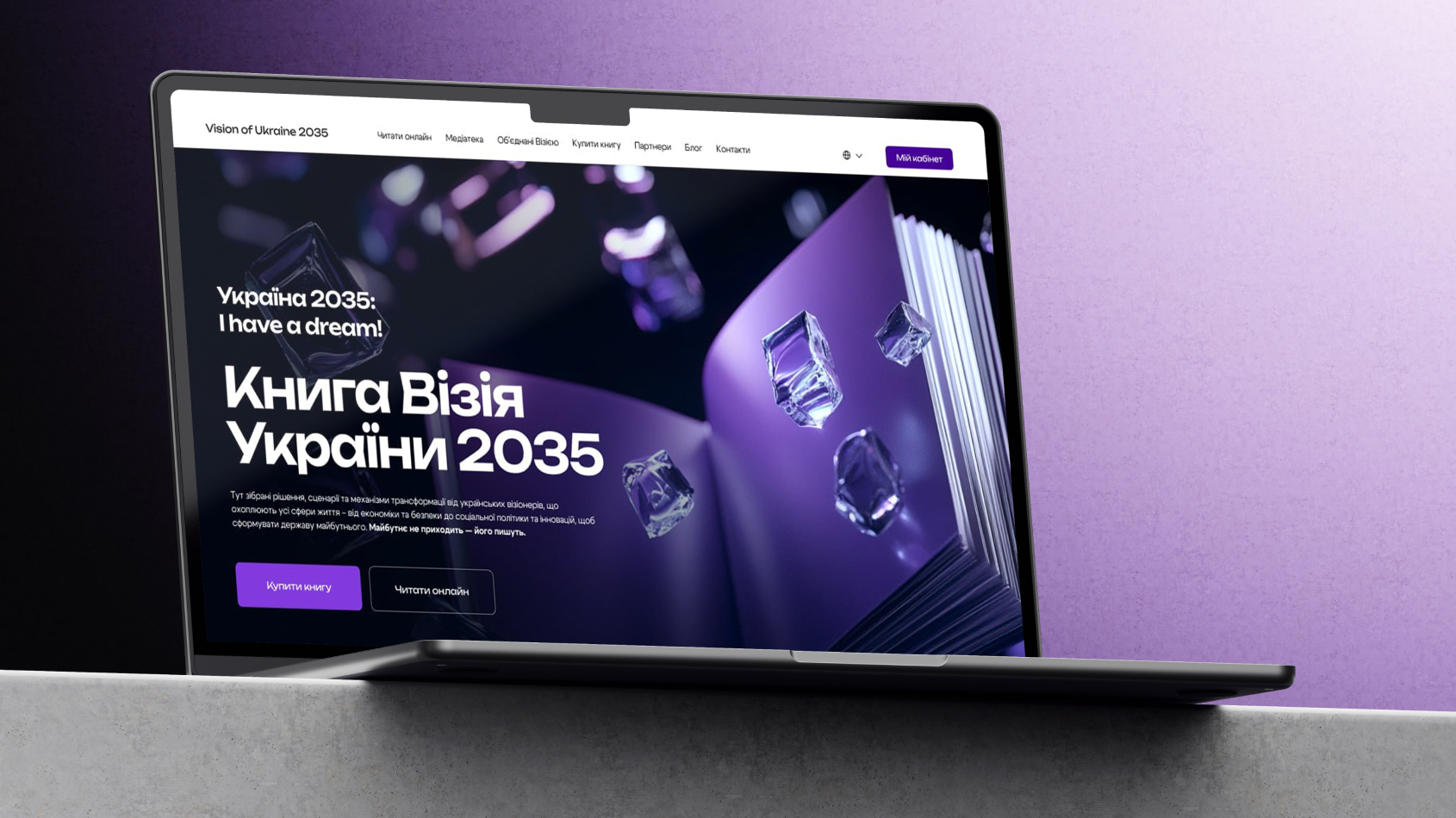
The portal serves as a digital space where users can return to key ideas, re-engage with the book’s content, and continue the conversation about Ukraine’s future in a web-based format.
The comic became a special element of the project — a way to speak about the future through visual storytelling, without simplifying its meaning.
Portal as a Continuation of the Vision
Alongside the book, we worked on the project’s online portal — a digital environment where the vision can live, evolve, and reach a wider audience. The portal became an extension of the book in another format: a space for navigating ideas, revisiting key concepts, and continuing the dialogue about Ukraine’s future. Our task was to translate the book’s visual language into a digital medium while preserving: – the integrity of the identity – a clear and intuitive structure – a sense of openness and modernity Without overload, but with respect for the content — so that the portal functions not as an archive, but as a living communication tool for the vision.
Event and Live Dialogue
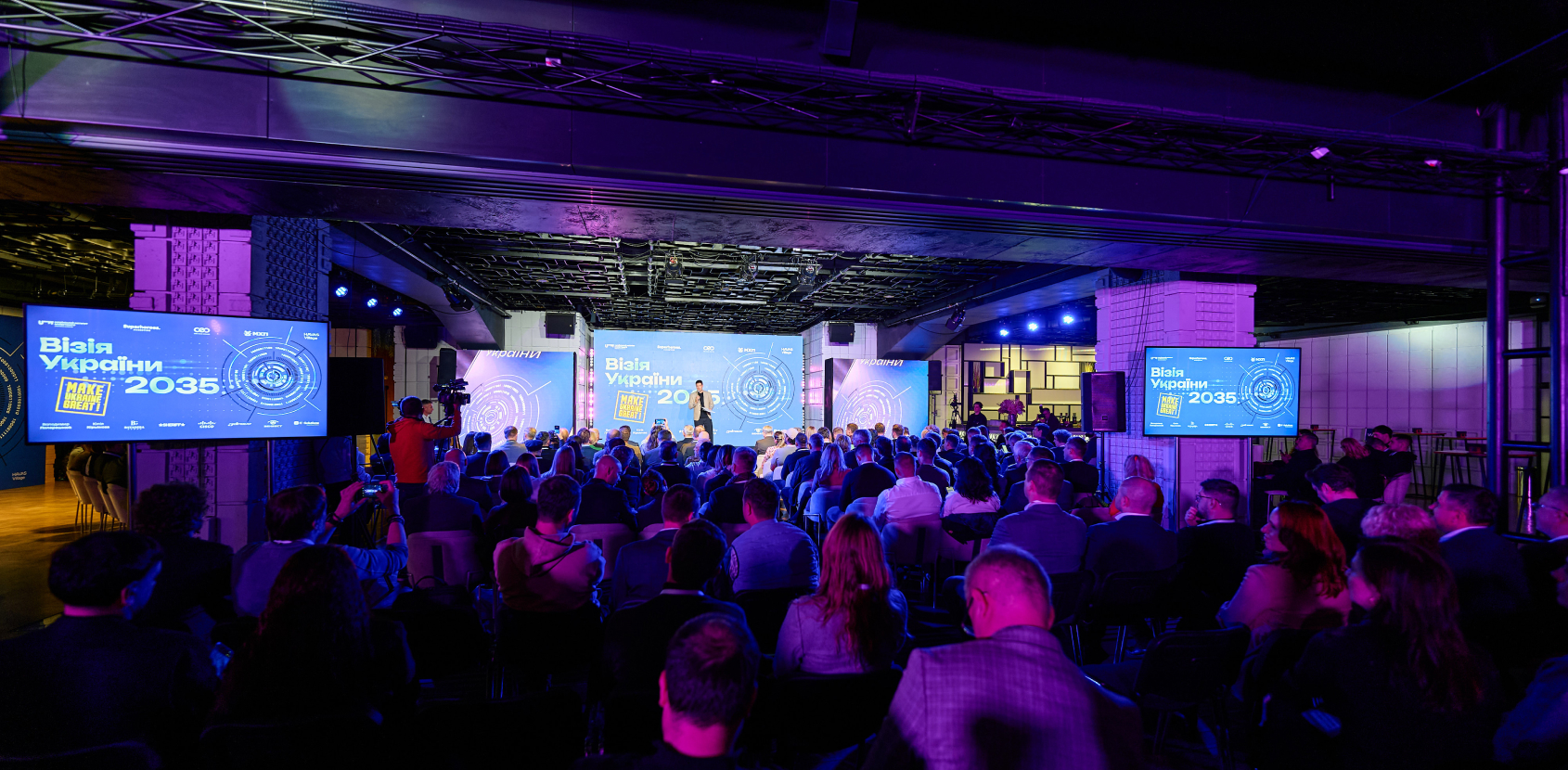
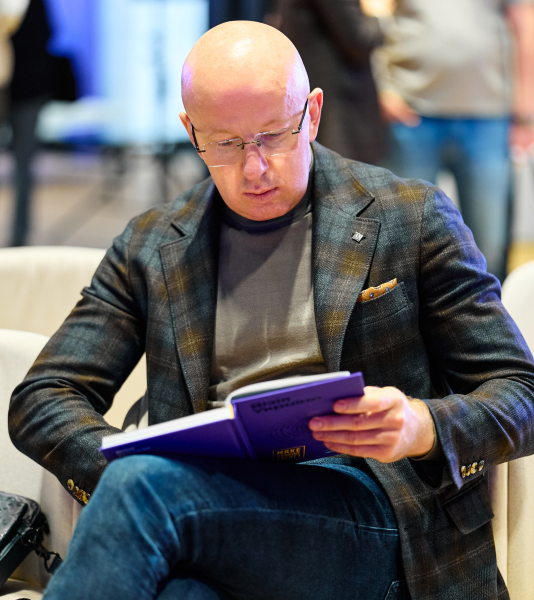
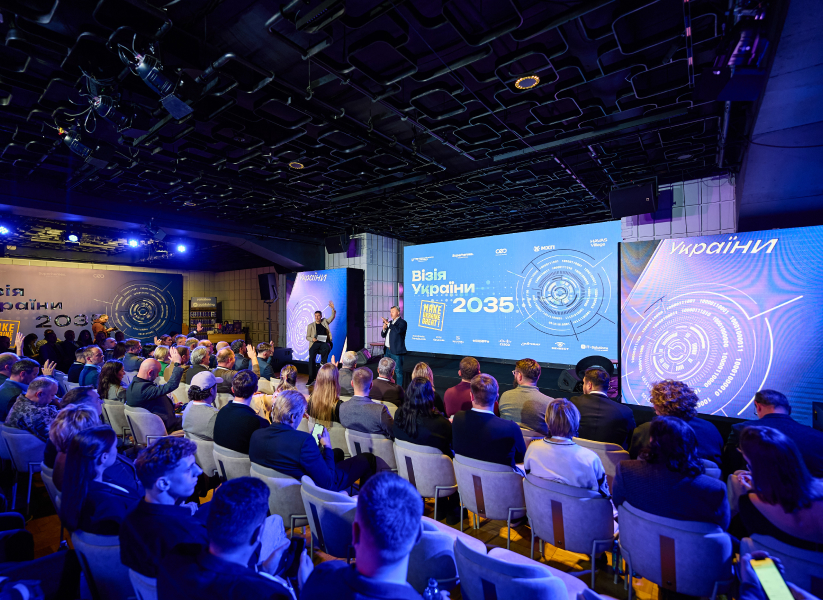
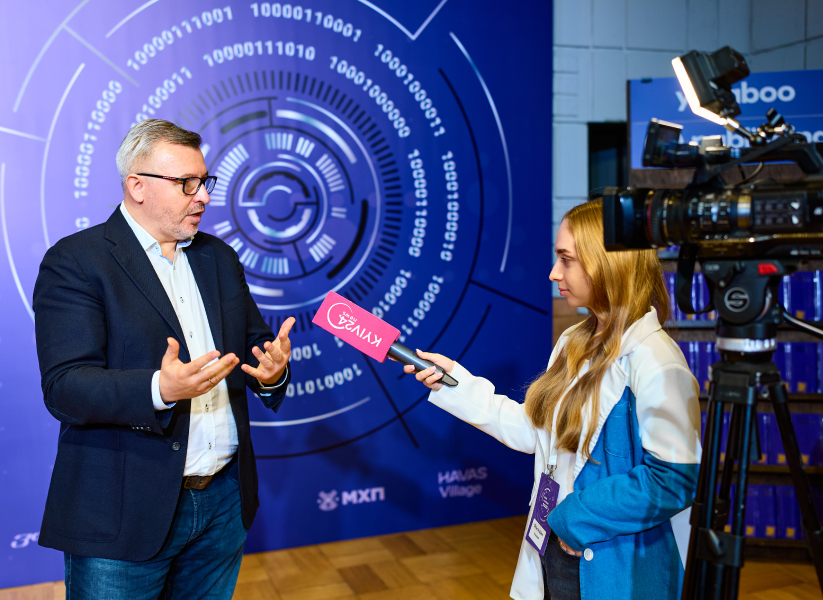
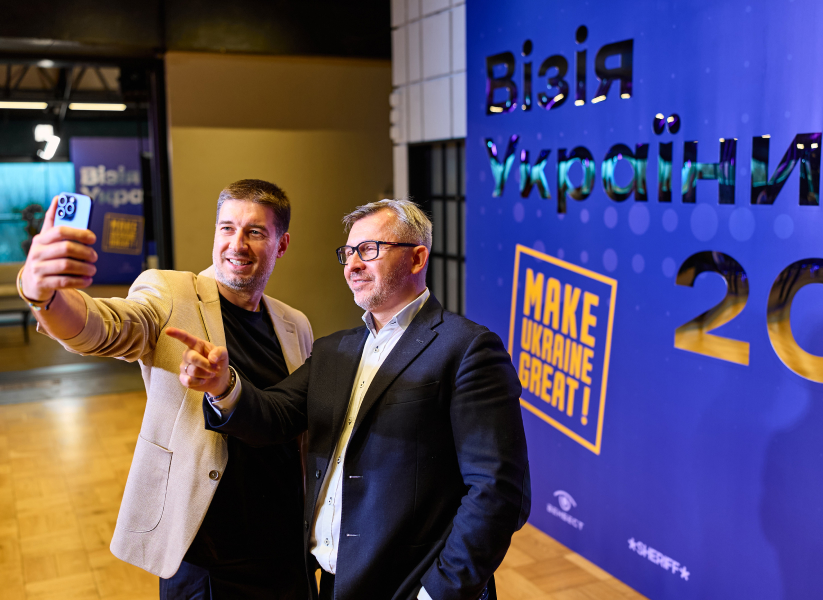
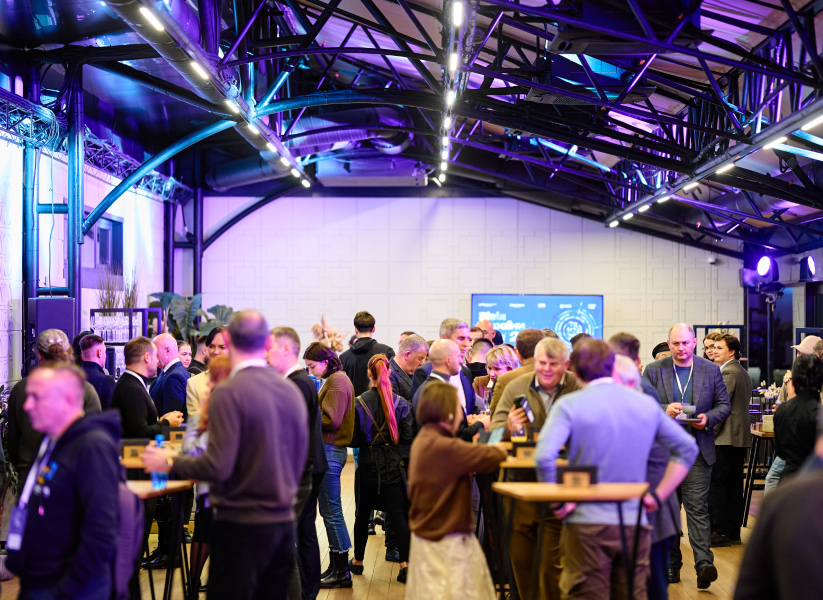
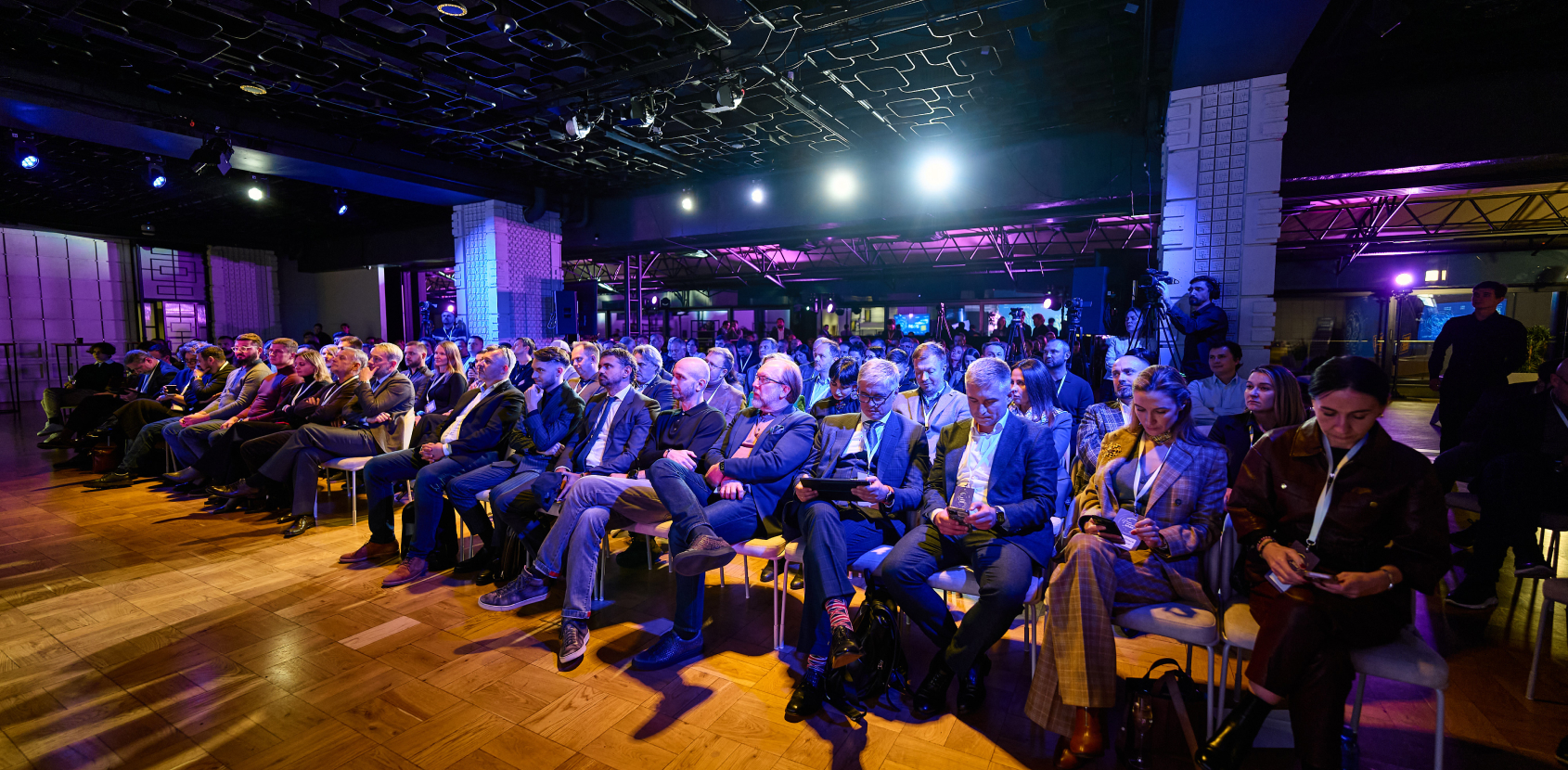
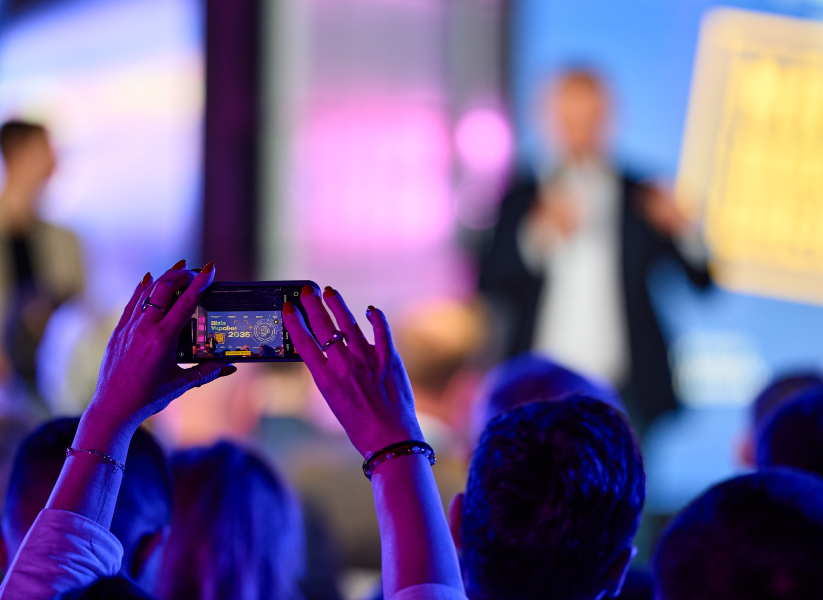
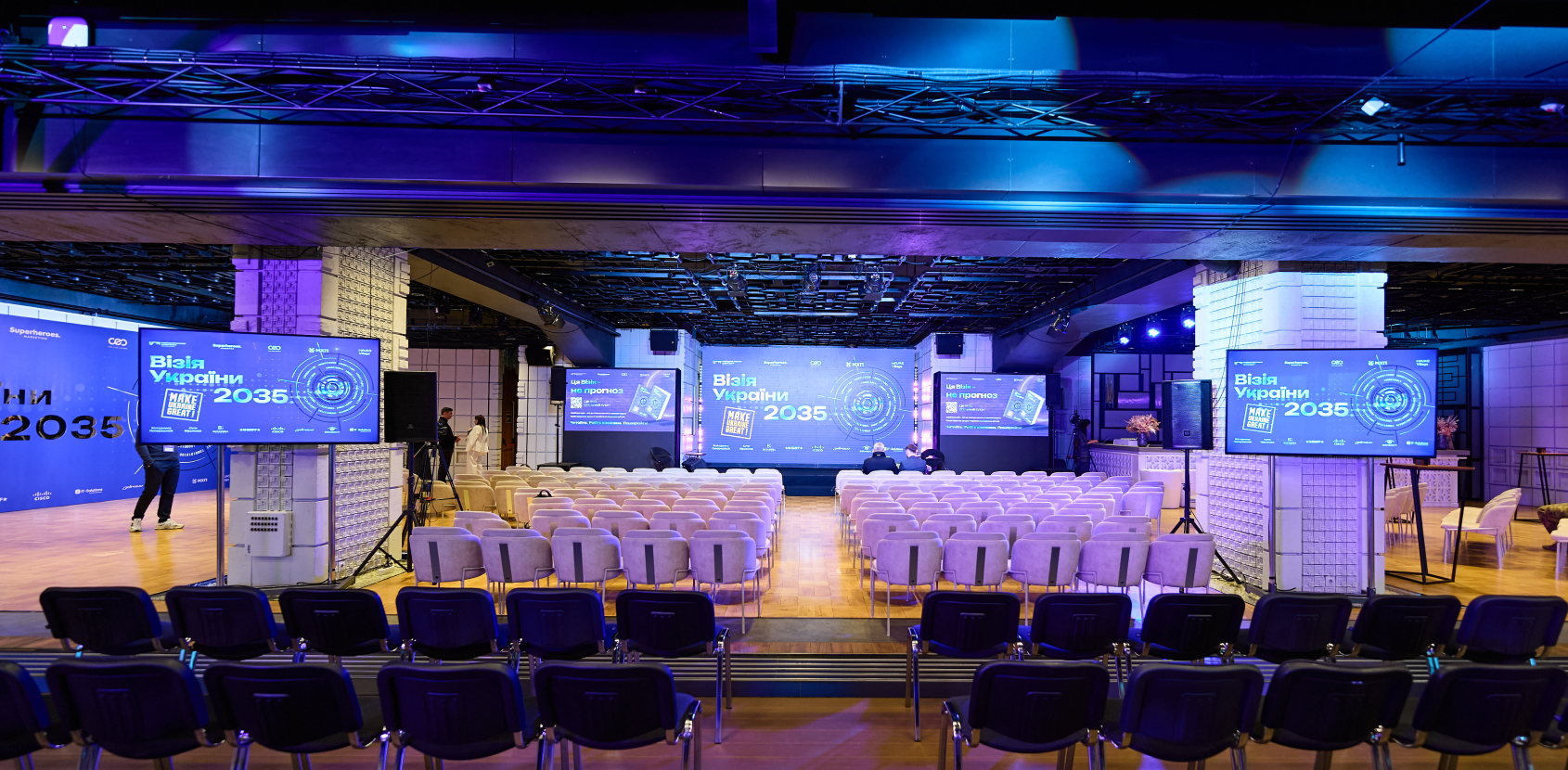
The book presentation at the Parkovy Convention and Exhibition Center in Kyiv became the moment when the vision entered the public space. It was not just an event, but a live conversation — between experts, business leaders, culture, and society.We ensured that the project’s visual language worked seamlessly within the event space as well — supporting the content rather than distracting from it.
Why This Project Matters to Us
Vision of Ukraine 2035 is not about design for design’s sake. It is about the responsibility of form for meaning.
For us, this project was an opportunity to: – work with a truly large and important idea – become part of long-term thinking about the country – demonstrate that design can be a tool for dialogue, not decoration Because the future does not begin with the right answers. It begins with the right questions — and the courage to ask them out loud.
Result
We helped the vision become tangible.
Analytical content transformed into a coherent system with its own language, rhythm, and character. The book, identity, digital portal, event, comic, and visual materials came together as a single narrative about Ukraine’s future. It is a story that can be read, explored, discussed, and revisited — across formats, audiences, and time. Vision of Ukraine 2035 has taken a form capable of living long and remaining relevant wherever the conversation about tomorrow begins.
Project Team
Idea, Concept — Taras Gorbul Project Managers — Iryna Purina, Hanna Chubar Art Director — Anna Krush Layout Designer — Anna KrushSMM design – Anastasiia Oleksova, Oleksandra Tytarenko Motion Designers — Anna Krush, Oleksandr Krush AI Creators — Kateryna Siumar, Oleksandr Krush, Anna Krush 3D visualizer — Maksim Saveliev
This website uses cookies so that we can provide you with the best user experience possible. Cookie information is stored in your browser and performs functions such as recognising you when you return to our website and helping our team to understand which sections of the website you find most interesting and useful.
Strictly Necessary Cookies
Strictly Necessary Cookie should be enabled at all times so that we can save your preferences for cookie settings.
If you disable this cookie, we will not be able to save your preferences. This means that every time you visit this website you will need to enable or disable cookies again.